All Categories
Featured
Next-Gen Non-Surgical Techniques for Total Refresh
Which Course to Smooth Skin? Resurfacing vs Peels
Next-Gen Non-Surgical Techniques for Total Refresh
Table of Contents
A patient with frown lines and cheek volume loss may need Botox in between the brows and filler in the midface. A client with thin lips and a gummy smile might need lip filler, Botox, or staged preparation.
The greatest difference in between a great and bad injectable outcome is typically the evaluation behind it. Item option matters, however anatomy, positioning, dose, and emergency planning matter more. Possible problems: Bruising, swelling, and inflammation: Common after both cosmetic treatments, specifically around lips and thin skin locations. Asymmetry or undercorrection: May happen when muscle pull, volume loss, or facial structure is misread.
Botox-specific adverse effects: Short-term weakness, eyebrow heaviness, smile modifications, or unwanted muscle results can take place. Filler-specific risks: Swellings, migration, infection, allergy, and vascular issues require appropriate training and procedures. The FDA cautions that unintentional injection of filler into a blood vessel can trigger blocked blood circulation, tissue death, vision problems, loss of sight, stroke, or death.
Noticeable Broadband Light Results for Clearer Skin Clarity
For oral and medical specialists, Botox and dermal filler treatments are different scientific skills. Fillers need understanding of facial structure, vascular anatomy, product choice, injection depth, and issue management.
The business case is practical too. ASPS reported 9,883,711 neuromodulator injection procedures and 5,331,426 HA filler procedures in 2024, showing strong demand for minimally intrusive cosmetic treatment. AAFE has actually trained more than 18,000 oral and physician in evidence-based injectable techniques given that 2007. For licensed experts thinking about adding injectables to their practice, AAFE's Botulinum Toxins & Dermal Fillers Level I course covers client evaluation, anatomy, live patient care, dosing, dermal filler injections, unfavorable responses, and practice integration.
As research advances and client expectations shift towards more natural, flexible outcomes, manufacturers are establishing new neuromodulators and fillers designed to work faster, last longer, or offer greater accuracy than current choices. Today's hyaluronic acid fillers differ in firmness, versatility, and ideal treatment areas, enabling service providers to tailor outcomes based on facial anatomy. The next generation of injectables aims to broaden these choices further by dealing with typical patient choices, consisting of faster onset, more customized longevity, and improved tissue integration.
Healthy Winter SkinRepairing Acne Scars With Advanced Microneedling
Its shorter duration may appeal to clients who want to "test-drive" neuromodulators or prefer outcomes that fade within weeks instead of months. * Investigational neurotoxin is a ready-to-use liquid neurotoxin made from a brand-new stress of botulinum toxin type A. It is developed to offer faster beginning and potentially longer-lasting results compared to powdered toxic substances that require reconstitution.
It belongs to the Evolysse family of fillers and is designed to supply structural assistance while maintaining the natural characteristics of hyaluronic acid. This kind of filler may be particularly useful for clients experiencing age-related volume loss in the cheeks. * FDA authorized; U.S. launch expected, established by Croma-Pharma in cooperation with Obagi Medical, is a hyaluronic acid filler that has revealed consistent, natural-looking results in clinical research studies lasting near one year.
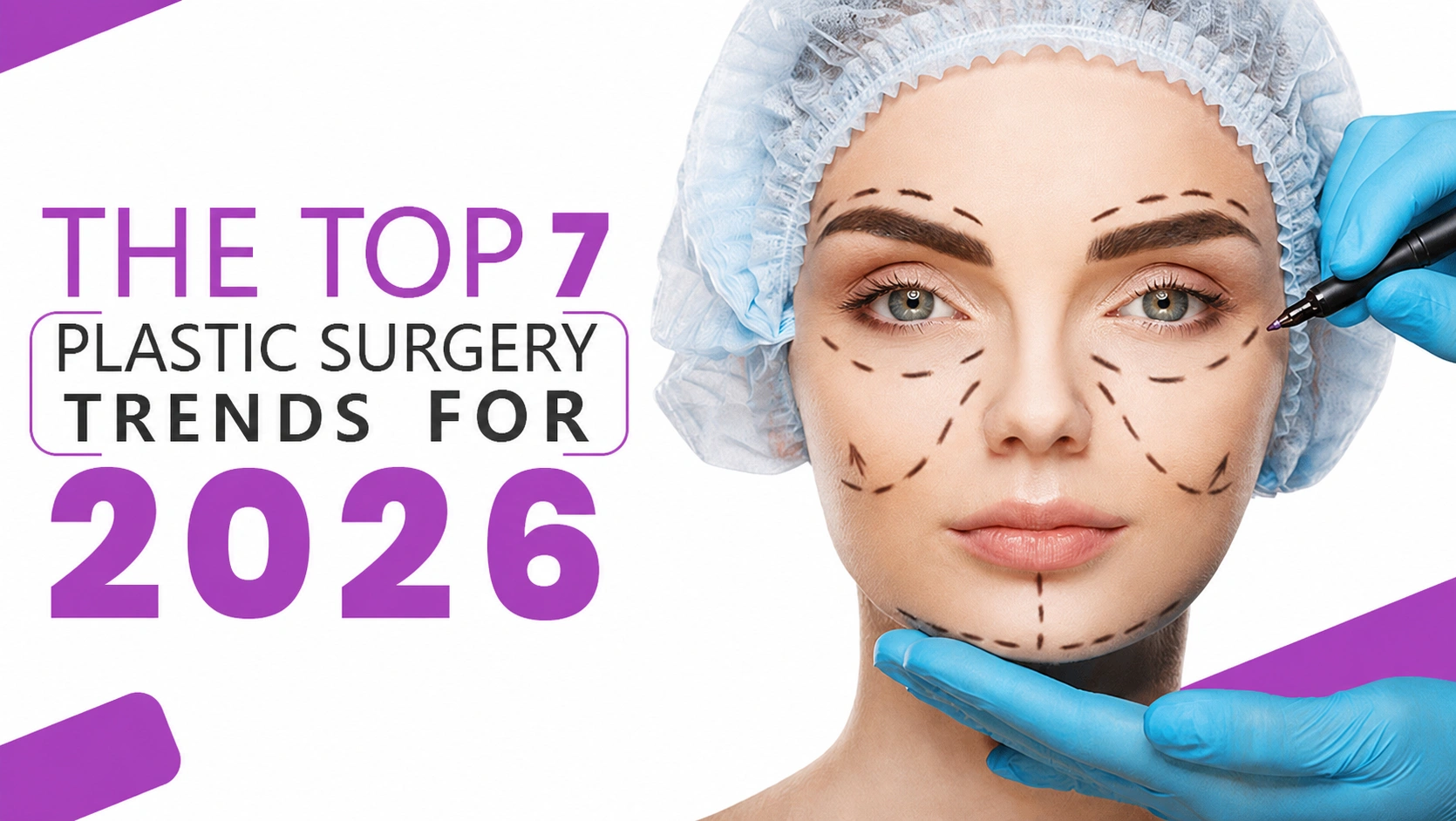
New injectables broaden alternatives, but they do not change the significance of experience and thoughtful preparation. Not every item is appropriate for each client, and more recent does not instantly suggest better. According to Dr. Horton, optimal injectable results depend upon: A comprehensive understanding of facial anatomyConservative, tactical product selectionClear interaction about objectives and expectationsA long-term method to facial balanceAs innovation continues, the focus stays on results that look natural, move naturally, and line up with each patient's anatomy.
Choosing Best Chemical Peels for Aging Skin
As brand-new neuromodulators and fillers emerge, assistance from an experienced, Board-Certified Cosmetic surgeon and qualified aesthetic team remains essential. Dr. Karen Horton and her group thoroughly evaluate brand-new injectable technologies as they end up being readily available, focusing on safety, anatomy-based planning, and results that age well over time. * Some injectables discussed above are investigational or pending FDA approval and may not yet be offered in the United States.

Latest Posts
Next-Gen Non-Surgical Techniques for Total Refresh

Brighten Your Complexion Using Lash Tint And Lift At Aqua Body Lab

Key Benefits of Microneedling for Acne Scars